Every home has one room that tries to win the standoff. It might be a tiny powder bath with a sliver of floor space, a glassy condo living room with a blinding skyline view, or a basement wrapped in tungsten glow. The difference between a walkthrough that stalls and a listing that converts often comes down to how that room is handled. At Luminis Media, we specialize in the problem rooms. The quiet fixes. The way you nudge a scene into balance without losing the truth of the space. That is where a listing’s credibility is built.
Reading a room before lifting the camera
Walk into a space and you can usually tell what will cause trouble. A color cast bleeding from the accent wall. LED strips mixing with daylight. A mirror waiting to snag the tripod. A Luminis Media real estate photographer starts by reading how the room wants to be seen. We take in the path buyers will walk, where their heads will turn, and what eyesores they will try to overlook. The camera only comes out after a few quiet minutes of assessment.
We also consider the listing strategy. Is this a fast-turn rental that needs clean coverage, or a higher end listing that deserves layered lighting passes and hand-blended window pulls? Real estate photography is equal parts technical craft and editorial judgment. At luminis.media, we set expectations up front so the photos match the marketing story.
Pre-shoot planning that saves the day
Great real estate photos are often won before we open a bag. For complex homes or tight timelines, we trade notes with the agent or owner in advance. We want to know about privacy-sensitive windows, tricky parking for gear, and rooms that have been a pain for past photographers. A short checklist shapes the day.
- Flag the toughest rooms with a quick phone video and preferred hero angles Share access instructions and time-of-day constraints for key views Confirm staging readiness and any items that must not appear in photos Identify light sources that cannot be turned off, like exit signs or cove lighting Align on the desired balance of realism vs. Glow for windows and fixtures
That five-minute exchange is why Luminis Media listing photography sessions rarely spin their wheels on site.
Small rooms and powder baths
Powder rooms reveal a lot about a photographer’s problem-solving. There is no place to stand, mirrors on two walls, and a vanity lamp that scorches the frame. Our approach adapts to what the room gives us.
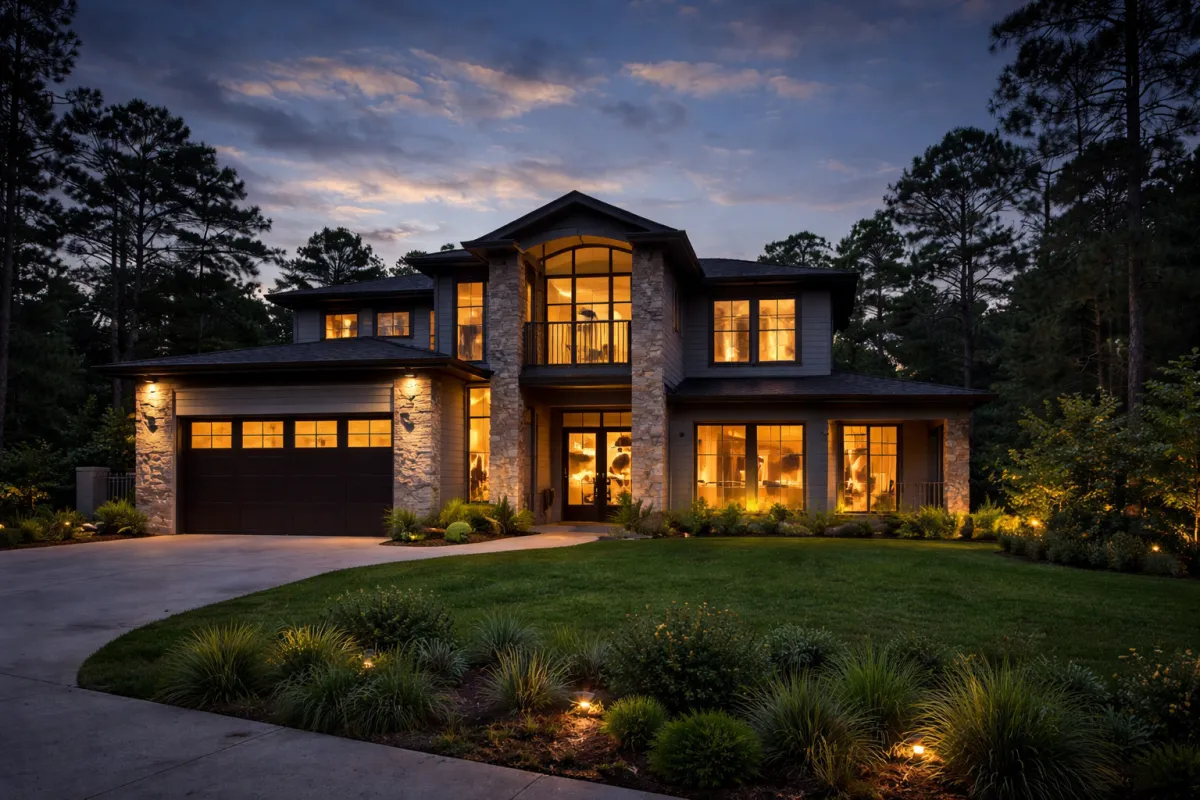
If the door can swing wide and the hallway is clean, we shoot from just outside with a slightly telephoto focal length, usually in the 28 to 35 mm full-frame range rather than an exaggerated ultra-wide. Compressing a small room a touch keeps lines honest and fixtures proportional. For layout context, we often pair a hero angle at 28 to 35 mm with a supporting detail at 50 to 70 mm showing the faucet, tile work, or hardware. Luminis Media property photography focuses on how a buyer experiences the room, not just how many surfaces we can squeeze into one frame.
Mirrors force discipline. Instead of fighting endless self-reflections, we shift the camera to avoid direct returns and angle the vanity light slightly downward when adjustable. In unfriendly layouts, we plan for a clean plate exposure, remove the camera from the reflection in a second frame, and blend the two in post. The entire sequence takes under two minutes when you practice it every week.
Mixed lighting and stubborn color casts
Mixed light is the silent killer of good real estate photos. Ceiling cans, warm pendants, daylight from a north window, and some blue spill from a TV make a room feel cheaper than it is, even when the composition is perfect. We tame this right away.
Where practical, we standardize the color temperature by switching off the bossy offender. If the kitchen pendants throw heavy amber, we make two sets, one with pendants on for ambiance and one off for cleaner cabinetry color. The hero frame is chosen later based on how the listing reads. When pendants must stay on, we gel our flash a half-step toward warmth, meeting the space in the middle. It is a small fix that avoids that ugly half-blue, half-orange look on white walls.
For luxury real estate photography, Luminis Media is careful about the subtle story of materials. White oak can turn green if paired with a cool daylight flash. Polished plaster leans magenta under certain LEDs. We bracket, then pick the exposure that preserves the designer’s intent, not just the histogram. If a property has RGB cove lighting that the seller wants visible, we keep it, but protect skin tones and neutral finishes by letting the color live mostly in the corners or as a reflected accent.
Windows, views, and believable dynamic range
Nothing tanks buyer trust faster than windows that look pasted on. The goal is to keep the view while maintaining interior mood and honesty. Real estate photography at luminis.media leans on a layered approach.
We start with a base ambient frame that respects the room’s light, even if that means blown highlights outside. Then we drop exposure for the window, locking in the skyline or garden at one to two stops under. We add targeted flash feathered across feature surfaces, not aimed at the glass. Flash placement is more about subtraction than addition, canceling green spill from trees or the blue dip that makes a sofa look cold. We usually take three to five frames, moving the light slightly so reflections do not gang up. Later, we hand blend only what we need.
Twilight presents different math. If the exterior is the star, we time the shot during blue hour when the ratio between inside and outside narrows on its own. That single change can eliminate the need for heavy compositing, and the result feels like something a buyer could see with their own eyes.
Mirrors, stainless, and glass tables
Reflections are traps, but they also give a room life. We do not extinguish every shine. Instead, we control placement. In a kitchen with a full-height glass backsplash, we place lights to skim and brighten the tile pattern rather than explode the glass with specular dots. First position lights are flagged with small cards, and umbrellas become softboxes when spill gets messy.
Large mirrors call for camera choreography. We step left and right in tight arcs until the tripod leg clears the frame. In some bathrooms with back-to-back mirrors, the only solution is a two-shot blend with a plate. Luminis Media real estate photos are not magic tricks, they are careful edits that hide our footprint without misrepresenting the space.
Complicated room shapes and awkward flow
Some rooms are just odd. A long, narrow living room with an offset fireplace. A bedroom with three doors that fight for attention. When the layout resists, we think like a buyer walking the space. Where would you stand to decide if your furniture fits? That is where the hero image begins.
We build the visual path. For a skinny living room, a vertical frame from the open end can lengthen sightlines and keep sofas proportionate. Supporting images then carve the room into digestible zones, often moving from the anchor feature, like a fireplace or view, toward the exits. Compositionally, we reduce the number of parallel edges competing in the frame. Fewer lines, cleaner read.
If the room forces the camera into a corner, we accept an honest amount of keystone correction instead of leaning on extreme wide lenses that make a space feel like a funhouse. Luminis Media real estate photography values scale accuracy because broken scale is the first thing buyers notice once they arrive for a showing.
Low ceilings, sloped ceilings, and basements
Low ceilings punish careless perspective. We keep the camera height moderate, generally around 48 to 54 inches for living spaces, lower for kitchens to keep countertops level. Sloped attic rooms get a different treatment. Instead of trying to show the entire slope, we choose a viewpoint that celebrates the usable zone near dormers, then pair it with a tight detail on a reading nook or storage built-in. It is not about hiding the slope, it is about prioritizing livability.
Basements bring noise and green cast from lawn spill. For luminis.media property photography, we often gel flash slightly warm and bounce off neutral ceilings when possible. If ceilings are dark or exposed, we flag and feather off walls, then lift shadows with a soft fill from camera left or right. The target is a basement that feels like an actual living space, not a cave with a loud rug.
Furnished vs. Vacant, and how we collaborate with staging
Furnished rooms are usually easier to explain in photos, but they come with clutter and personal items that can break privacy agreements. We sweep fast. Hide cords, tuck remotes, remove bright product labels, and straighten textiles. If we need five extra minutes, we ask. The payoff is significant.
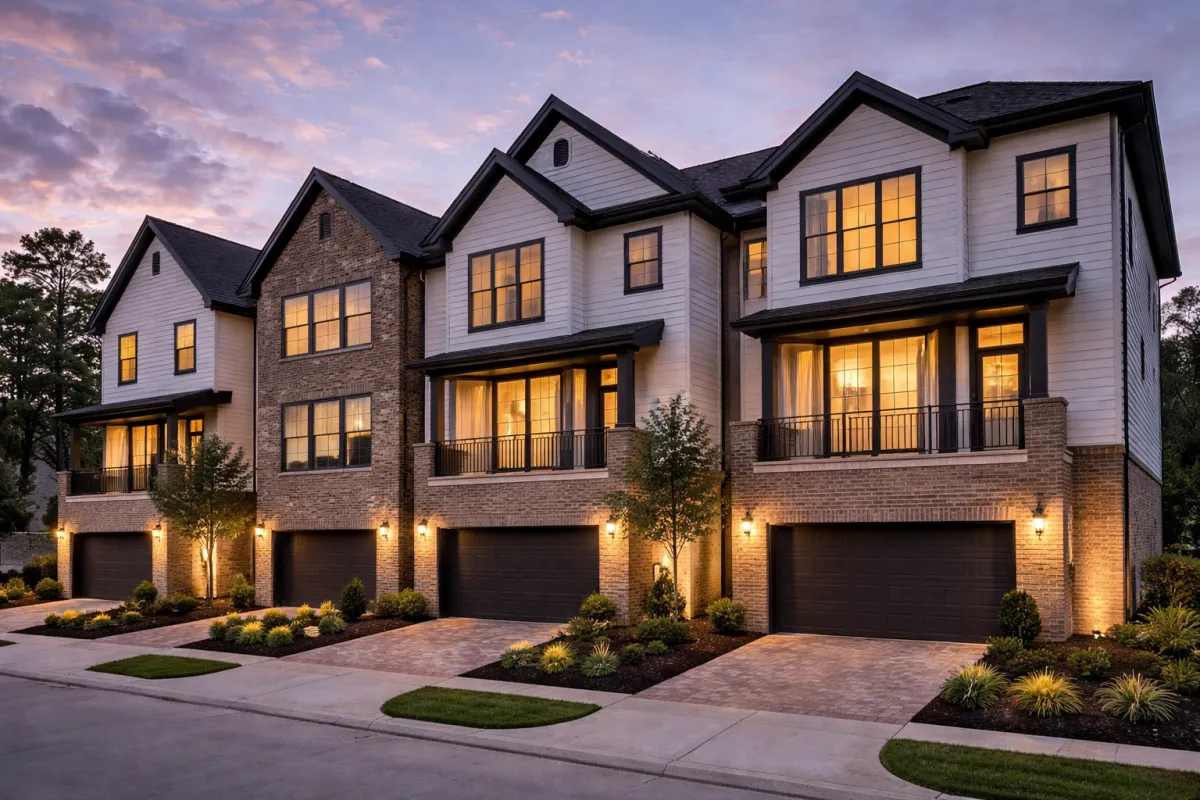
Vacant spaces need shape. Luminis Media listing photography uses point-of-view to create that shape. We frame to imply how a sofa or bed would sit, and we lean on light to draw imaginary zones. In some cases, we will suggest light virtual staging, aligned with the architecture and agreed upon during booking. We keep it tasteful so the space still matches the showing.
Gear and capture strategy that adapts
Tools matter, but process matters more. Our kits are built around reliability and restraint. We carry bodies that are strong in dynamic range and color, a core trio of lenses, and compact lighting that moves quickly through homes without scuffing walls or dragging cables across floors. The capture approach flexes based on the room, not on a fixed template. For clarity, here is how we decide between lighting methods.
- Natural light plus exposure bracketing when the room reads beautifully on its own Single off-camera flash bounce to clean color and lift shadows without revealing the source Multi-frame flash blend for view retention and polished cabinet or tile rendering Continuous light for scenes with glass where flash reflections are unmanageable No supplemental light at all during blue hour when interior and exterior balance naturally
Each option has trade-offs. Pure ambient is fast and authentic, but you can inherit color problems. Bounce flash preserves color, yet can flatten texture if overused. Multi-frame blends are stunning for luxury kitchens and primary baths, but they add post time. Our job is to match method to listing value, schedule, and the agent’s brand.
Post-production that keeps rooms honest
Good post work is nearly invisible. Luminis Media real estate photos go through a consistent pipeline with room-by-room adjustments. White balance is set with a combination of neutral picks and what the eye prefers, because perfect white is not always what the space needs. We correct verticals while leaving a touch of natural perspective so rooms do not feel sterile.
Window pulls are blended to maintain believable glare and a slight roll-off at frames, which helps the brain accept the composite. Ceiling lights keep a soft bloom. We remove minor distractions like outlet plates that slap the eye, but we do not erase power lines or neighbors unless negotiated and ethically sound. For luxury real estate photography, Luminis Media puts extra care into fine textures so fabrics stay tactile and wood feels like wood.
For agents working with MLS compression, we export with sharpening and contrast tuned for the platform, then deliver a second set at higher resolution for brand sites and print. Real estate photos luminis.media are built to survive the algorithm gauntlet without becoming crunchy or gray.
How we handle video in the same problem rooms
Video has no patience for tricks. If a room’s color is wrong, it is wrong through the entire move. Luminis Media real estate videography leans on time-of-day and camera movement to handle tough spaces. For tiny rooms, we favor gentle push-ins from the threshold rather than stepping inside with a gimbal. For heavy window backlight, we set exposure for the interior mood and let the view bloom a touch, unless the view is the selling point, in which case we stage a reveal from interior to exterior.
Continuous lighting gets more use in video, but it must be subtle and off the ceiling line to avoid raccoon shadows. We ride white balance shifts slowly to keep color consistent through cuts. Audio matters if a home sits under a flight path, so we plan exteriors and drone sequences during the quietest window we can secure.
Luminis.media real estate videography is about pacing. A tough room will breathe more if you let a shot linger half a beat, giving buyers time to understand scale. Whip pans and hyper-accelerated cuts belong in highlight reels, not the only tour a family watches when deciding to book a showing.
Luxury finishes and their special demands
High gloss lacquer, deep veining in marble, fluted glass, and metallic mesh all misbehave under the wrong light. Luminis Media luxury real estate photography treats these as hero materials. We test a quick ladder of exposures to see where the surface comes alive. With large-format porcelain slabs, for example, the veins can either dominate or disappear depending on angle. We adjust position so light grazes across the slab, then sink exposure until the dark lines read without crushing the surrounding tone.
For showroom kitchens with glass-front cabinets, we decide whether the interior needs to be visible. If yes, we add a dim continuous source inside for a gentle reveal, or time the hero shot at a point in the day when the cabinet’s internal lights do the job without spiking exposure. Luxury is detail discipline. Every highlight should feel placed, never accidental.
Efficiency, safety, and respect for occupied homes
Speed is part of the value. Luminis Media real estate photographer teams move through occupied homes with a rhythm that keeps everyone comfortable. We wear shoe covers when requested, carry small mats for tripods on delicate floors, and route cables so pets and kids do not meet them. We ask before touching personal items and we keep doors how we found them unless the agent says otherwise.
For condos, we coordinate elevator runs and key fob access so we are not blocking residents. On exterior balconies, we respect wind and weight limits. When a seller is present, we explain what we are doing in one sentence, then get to work. Professionalism lowers everyone’s heart rate.
The difference a time slot makes
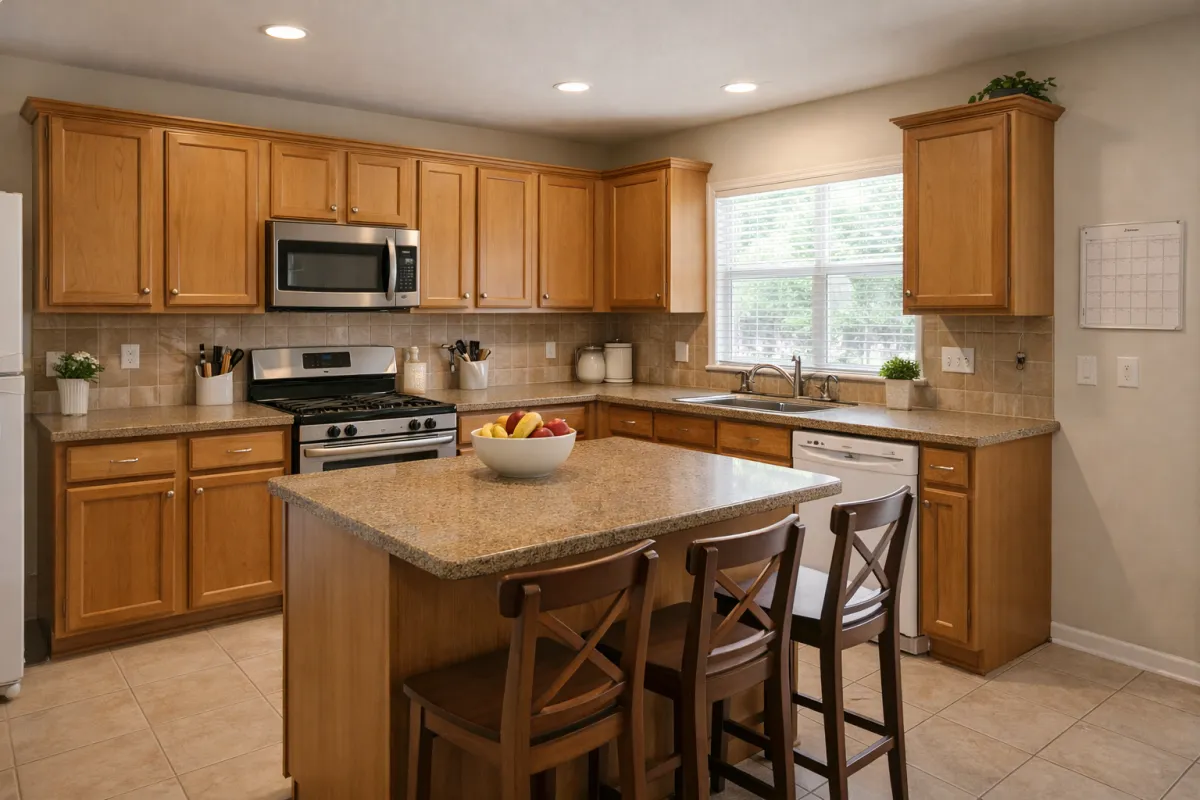
Many rooms change personalities over the day. An east-facing kitchen glows early, then flattens. A west-facing primary suite might be junk at noon and jaw dropping at five. We advise agents on scheduling when views or interiors are time sensitive. Sometimes we split a shoot into two short visits to catch both the noon skyline and the twilight pool. Clients who use Luminis Media real estate photos and video long term learn to think in light, not just in dates.
Coordination with agents, builders, and designers
Our job starts with the listing, but it touches other stakeholders. Builders want record shots of details hidden after drywall. Designers want their palette to read accurately. Agents want the tour to feel like their brand. We fold all of that into the plan.
For new construction, we shoot a clean set for MLS, then a supplementary series for the builder with detail focus and square-on elevations. For designers, we provide a color-consistent set with neutral background picks. For agents with an established vibe, we adjust contrast and saturation to match prior campaigns. It is common for Luminis Media property photography to deliver multiple looks from one capture when the project serves several audiences.
When restraint wins
Not every problem room wants hero treatment. Sometimes the right move is to show it plainly and move on. A cramped utility room without redeeming features is not a selling point. We include a single clean frame for completeness, keep verticals honest, and save time and energy for the kitchen that will bring buyers through the door. That editorial restraint is part of the Luminis Media real estate photography ethos. You do not fix everything. You fix the right things.
Results you can feel in the inquiry count
The payoff of this approach is visible in two places. First, the photos. They are balanced, plausible, and comfortable to look at. Second, the response. Agents report fewer questions about room sizes and more showing requests. Homes with difficult basements draw interest because buyers can imagine them furnished. City condos with fierce backlight keep their skyline without looking fake. That is the quiet win we aim for with real estate photography luminis.media, every time.
A compact path through a difficult home
To tie the process together, here is how a typical session through a challenging property might unfold. We arrive 15 minutes early and walk the home with the agent, confirming the hero rooms and any off-limits corners. The first shots go to spaces that will change rapidly with light, often the living room with a view. We sequence the rest in a loop that minimizes room resets, cycling between ambient, bounce flash, and blends based on what the room needs, not on habit. Notes about any plates required for reflections are logged on the phone so the post process is smooth.
Before we leave, we do a fast reverse walkthrough to catch doors left ajar or a staged pillow drifting downhill. Files are backed up immediately to dual cards and an on-site SSD. Editing begins with a global pass for exposure and perspective, then hand blends on flagged frames, then a second pass for color and contrast matching from room to room. For larger listings, the agent gets a first delivery the same evening of priority images for scheduling, followed by the full set the next morning. Luminis Media real estate photos are built on that tempo, not rushed, not sluggish, and always ready when the listing team needs them.
Where we fit into your marketing plan
If you have worked with a real estate photographer who panicked in tight rooms or produced glowing windows with lifeless interiors, you know the pain. The fix is not simply better gear or more Photoshop. It is a practiced eye for what matters in each space, and a production rhythm that respects time, privacy, and truth.
Whether you need a reliable set of listing photos for a mid-market home or a meticulous suite for a luxury penthouse, luminis.media real estate photography scales the approach without changing the philosophy. Make the room feel like itself on its best day. Protect the story the buyer will believe when they step inside. Keep the momentum of the listing plan.
That is how we handle challenging rooms. Not with gimmicks, but with decisions made in the right luminis.media listing photography spring tx order, at the right tempo, and in service of the home.